Product Description
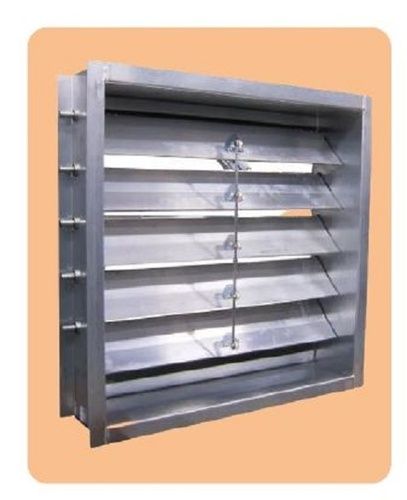
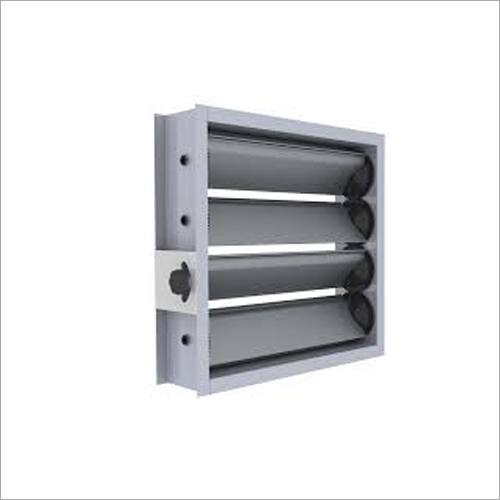
An air damper is a device that uses valves or plates to stop or regulate the flow of air within a duct, chimney, variable-air-volume (VAV) box, air-handling unit or other similar pieces of equipment. Dampers are also used to stop airflow into unoccupied or unused rooms where air conditioning is not required.
High Versatility and Custom OptionsChoose between volume control or motorized dampers to suit your project needs. With customizable sizes and multiple blade materials (galvanized steel or aluminum), the damper is easily tailored to industrial and commercial environments. Mounting options let you select flange or slip-on installation, ensuring compatibility with most ductwork.
Superior Performance and Air TightnessEquipped with a durable rubber gasket, the damper provides a leak-proof, airtight seal, optimizing airflow control and energy efficiency. Its corrosion-resistant finish and sturdy construction withstand demanding operating conditions. The damper operates effectively under pressure differentials up to 1000 Pa and is certified to IS, ASTM, or EN ISO standards.
Precision Control and Easy OperationSelect manual operation with a handle, or upgrade to electric actuators for rotary or modulating control. These options enable precise airflow management through both manual and automatic signals. Actuator-equipped models feature rapid response (<10s), position sensors as optional add-ons, and interface with either manual levers or electronic controllers.
FAQ's of Air Damper:
Q: How is the air damper installed and what mounting options are available?
A: The air damper can be installed using either flange or slip-on mounting, making it adaptable to various ducting systems. This flexibility allows for efficient direct integration into existing or new ventilation and air conditioning setups.
Q: What methods are available for controlling the damper, and which one should I choose?
A: You can control the damper manually using a lever or opt for an automatic approach with rotary or modulating electric actuators. Choose manual control for simplicity and cost-effectiveness, or select motorized actuators for automated, precise airflow regulation in larger or remotely-controlled installations.
Q: When should a motorized damper be preferred over a manual one?
A: A motorized damper is recommended for systems requiring frequent or precise adjustments, remote operation, integration with automated building management systems, or when controlling high-volume or hard-to-access ducts. Manual dampers suit simpler, low-maintenance setups with infrequent adjustments.
Q: Where can these air dampers be used most effectively?
A: These dampers are designed for use in industrial or commercial HVAC ducting, air handling units, and ventilation systems. Their customizable dimensions and high durability make them suitable for a broad range of air conditioning applications in manufacturing facilities, offices, malls, and commercial buildings.
Q: What are the benefits of using an air damper with a rubber gasket seal?
A: The integrated rubber gasket ensures optimal air tightness, minimizing leakage and improving energy efficiency. This feature also helps maintain consistent pressure and airflow within the ductwork, reducing operational noise and supporting overall HVAC performance.
Q: How does the damper maintain durability in demanding environments?
A: The blades are manufactured from galvanized steel or aluminum, finished either by powder coating or anodizing for superior corrosion resistance. Combined with its leak-proof design and compliance to international standards, the damper provides reliable, long-life performance in harsh conditions.






 Send Inquiry
 Send Inquiry
 Send SMS